The EC-Council 312-49 or Computer Hacking Forensic Investigator exam is designed to validate candidates who want to detect hacking and extract evidence for crime reporting & auditing to evade future attacks. This test qualifies candidates for the ECC certification of a similar name, the Computer Hacking Forensic Investigator (CHFI). It suits a wide range of individuals including the following groups:
- System administrators;
- Legal professionals;
- Government agencies;
- Police;
- eBusiness security professionals;
- Defense or military personnel;
- Banking and insurance professionals.
- IT managers;
Reference: https://www.eccouncil.org/programs/computer-hacking-forensic-investigator-chfi/
Preparation Process
First of all, it is important to mention that the candidates interested in this path must be conversant with the comprehensive exam content before taking the test. Therefore, they need to download the official blueprint from the vendor’s website and dedicate some time to going through each topic in detail. Besides that, there are several points that should be noted as well, and they are the following:
- It is recommended that you take note of difficult knowledge areas as you go through the topics. With a clear knowledge of the domains that will be measured in the exam, the next logical step is to choose your study materials. The great part is that you can explore many training resources to help you gain competence and skills in the sections of EC-Council 312-49.
- The official instructor-led training course is one of the prep resources that are highly recommended for exam preparation. It is offered on the official website and focuses on the skills that you need to perform exceptionally in the test and also deliver optimally in the real-world work environment. That is why it focuses on the latest computer forensics and processes of computer forensics investigation. The students will also be introduced to file systems and hard disks, operating system forensics, database forensics, malware forensics, Cloud forensics, investigating web attacks, and network forensics, among others. This course can be taken in different training options, depending on your preference. You can take it as iLearning, iWeek, or through its training partners.
- The applicants are also advised to take the official assessments after completing the training course and also consider using some practice tests that are available across different reputable platforms online.
Our 312-49 test dumps will be the best choice for your EC-COUNCIL exam
Most candidates have choice phobia disorder while you are facing so much information on the internet. Hereby we are sure that 312-49 test dumps will be the best choice for your exam. We are a legal company which sells more than 6000+ exams materials that may contain most international IT certifications examinations. Especially for EC-COUNCIL exams, our passing rate of test questions for 312-49 - Computer Hacking Forensic Investigator is quite high and we always keep a steady increase. We are the leading position in this field because of our high-quality products and high pass rate.
Golden customer service: 7*24 online support and strict information safety system.
As is stated above, your money is guaranteed; hereby your information is safe. We have strict information safety system for every user. If you purchase our test questions for 312-49 - Computer Hacking Forensic Investigator, your information is highly safe. Customer First, Service First, this is our eternal purpose. We are 7/24 online service support, we have strict criterion and appraise for every service staff. Candidates will enjoy our golden customer service both before and after purchasing our 312-49 test dumps.
Stop hesitating and confusing, choosing our test questions for 312-49 - Computer Hacking Forensic Investigator will be a clever action. Opportunity waits for no man. Trust me, our 312-49 test dumps will be helpful for your career.
We offer one year service warranty for our products 312-49 test dumps
Users can always get the latest and valid test PDF or test engine within one year after you purchase our EC-COUNCIL test questions for 312-49 - Computer Hacking Forensic Investigator. Most companies just provide three months, ours is one year. Don't worry about the validity of our current version and want to wait for our updated version, it is unnecessary. No matter when you purchase our 312-49 test dumps insides, we will notify you to download our latest EC-COUNCIL test questions while we release new version.
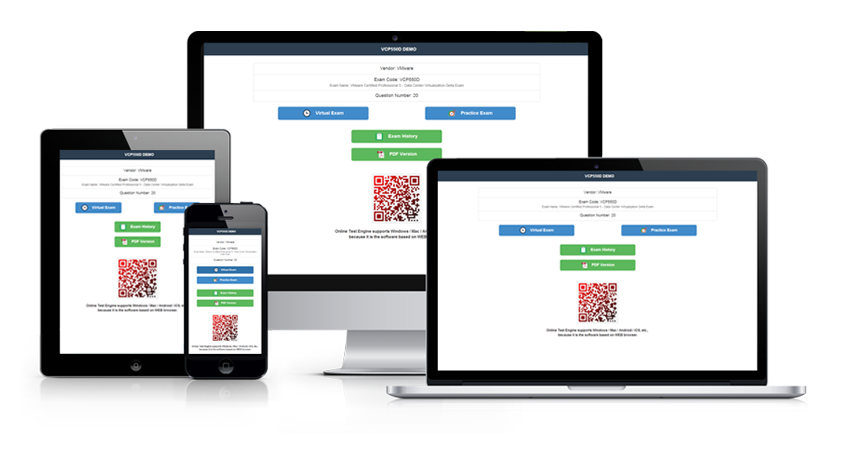
Are you still upset about how to surely pass 312-49 - Computer Hacking Forensic Investigator exams? Do you still search professional 312-49 test dumps on the internet purposelessly? It is a good way for candidates to choose good test engine materials which can effectively help you consolidate of IT knowledge quickly. TestInsides test questions for 312-49 - Computer Hacking Forensic Investigator can help you have a good preparation for Certified Ethical Hacker exam effectively. If you buy our test dumps insides, you can not only pass exams but also enjoy a year of free update service. If you fail exams with 312-49 test dumps sadly we will full refund to you surely. Also we provide you free demo download for your reference with our test engine for Computer Hacking Forensic Investigator.

After purchase, Instant Download: Upon successful payment, Our systems will automatically send the product you have purchased to your mailbox by email. (If not received within 12 hours, please contact us. Note: don't forget to check your spam.)
Your money is guaranteed. No Pass No Pay, No Pass Full Refund
Many candidates may doubt about if our 312-49 test dumps insides is valid and helpful. You may be afraid of wasting money on test engine. We guarantee that our test questions for 312-49 - Computer Hacking Forensic Investigator can actually help you clear exams. 98% of candidates will pass exams surely. We hereby promise that No Pass No Pay, No Pass Full Refund. If users fail exams with our test questions for 312-49 - Computer Hacking Forensic Investigator you don't need to pay any money to us. Once our test engine can't assist clear exams certainly we will full refund to you unconditionally.
EC-Council 312-49 Exam Syllabus Topics:
| Procedures and Methodology | - Understand Forensic Investigation Process- Forensic investigation process
- Importance of the Forensic investigation process
- Setting up a computer forensics lab
- Building the investigation team
- Understanding the hardware and software requirements of a forensic lab
- Validating laboratory software and hardware
- Ensuring quality assurance
- First response basics
- First response by non-forensics staff
- First response by system/network administrators
- First response by laboratory forensics staff
- Documenting the electronic crime scene
- Search and seizure
- Evidence preservation
- Data acquisition
- Data analysis
- Case analysis
- Reporting
- Testify as an expert witness
- Generating Investigation Report
- Mobile Forensics Process
- Mobile Forensics Report Template
- Sample Mobile Forensic Analysis Worksheet
- Understand the methodology to acquire data from different types of evidence - Data Acquisition Methodology
- Step 1: Determine the Best Data Acquisition Method
- Step 2: Select the Data Acquisition Tool
- Step 3: Sanitize the Target Media
- Step 4: Acquire Volatile Data
- Acquire Data From a Hard Disk
- Remote Data Acquisition
- Step 5: Enable Write Protection on the Evidence Media
- Step 6: Acquire Non-Volatile Data
- Step 7: Plan for Contingency
- Step 8: Validate Data Acquisition Using
- Collecting Volatile Information
- Collecting Non-Volatile Information
- Collecting Volatile Database Data
- Collecting Primary Data File and Active Transaction Logs Using SQLCMD
- Collecting Primary Data File and Transaction Logs
- Collecting Active Transaction Logs Using SQL Server Management Studio
- Collecting Database Plan Cache
- Collecting Windows Logs
- Collecting SQL Server Trace Files
- Collecting SQL Server Error Logs
- Illustrate Image/Evidence Examination and Event Correlation - Getting an Image Ready for Examination
- Viewing an Image on a Windows, Linux and Mac Forensic Workstations
- Windows Memory Analysis
- Windows Registry Analysis
- File System Analysis Using Autopsy
- File System Analysis Using The Sleuth Kit (TSK)
- Event Correlation
- Types of Event Correlation
- Prerequisites of Event Correlation
- Event Correlation Approaches
- Explain Dark Web and Malware Forensics - Dark web forensics
- Identifying TOR Browser Artifacts: Command Prompt
- Identifying TOR Browser Artifacts: Windows Registry
- Identifying TOR Browser Artifacts: Prefetch Files
- Introduction to Malware Forensics
- Why Analyze Malware?
- Malware Analysis Challenges
- Identifying and Extracting Malware
- Prominence of Setting up a Controlled Malware Analysis Lab
- Preparing Testbed for Malware Analysis
- Supporting Tools for Malware Analysis
- General Rules for Malware Analysis
- Documentation Before Analysis
- Types of Malware Analysis
| 17% |
| Digital Forensics | - Review Various Anti-Forensic Techniques and Ways to Defeat Them- Anti-Forensics Technique: Data/File Deletion
- What Happens When a File is Deleted in Windows?
- Recycle Bin in Windows
- File Carving
- Anti-Forensics Techniques: Password Protection
- Bypassing Passwords on Powered-off Computer
- Anti-Forensics Technique: Steganography
- Anti-Forensics Technique: Alternate Data Streams
- Anti-Forensics Techniques: Trail Obfuscation
- Anti-Forensics Technique: Artifact Wiping
- Anti-Forensics Technique: Overwriting Data/Metadata
- Anti-Forensics Technique: Encryption
- Anti-Forensics Technique: Program Packers
- Anti-Forensics Techniques that Minimize Footprint
- Anti-Forensics Technique: Exploiting Forensics Tools Bugs
- Anti-Forensics Technique: Detecting Forensic Tool Activities
- Anti-Forensics Countermeasures
- Anti-Forensics Tools
- Analyze Various Files Associated with Windows and Linux and Android Devices - Windows File Analysis
- Metadata Investigation
- Windows ShellBags
- Analyze LNK Files
- Analyze Jump Lists
- Event logs
- File System Analysis using The Sleuth Kit (TSK)
- Linux Memory Forensics
- APFS File System Analysis: Biskus APFS Capture
- Parsing metadata on Spotlight
- Logical Acquisition of Android Devices
- Physical Acquisition of Android Devices
- SQLite Database Extraction
- Challenges in Mobile Forensics
- Analyze various logs and perform network forensics to investigate network attacks - Analyzing Firewall Logs
- Analyzing IDS Logs
- Analyzing Honeypot Logs
- Analyzing Router Logs
- Analyzing DHCP Logs
- Why investigate Network Traffic?
- Gathering evidence via Sniffers
- Sniffing Tool: Tcpdump
- Sniffing Tool: Wireshark
- Analyze Traffic for TCP SYN flood DOS attack
- Analyze Traffic for SYN-FIN flood DOS attack
- Analyze traffic for FTP password cracking attempts
- Analyze traffic for SMB password cracking attempts
- Analyze traffic for sniffing attempts
- Analyze traffic to detect malware activity
- Centralized Logging Using SIEM Solutions
- SIEM Solutions: Splunk Enterprise Security (ES)
- SIEM Solutions: IBM Security QRadar
- Examine Brute-Force Attacks
- Examine DoS Attack
- Examine Malware Activity
- Examine data exfiltration attempts made through FTP
- Examine network scanning attempts
- Examine ransomware attack
- Detect rogue DNS server (DNS hijacking/DNS spoofing)
- Wireless network security vulnerabilities
- Performing attack and vulnerability monitoring
- Detect a rogue access point
- Detect access point MAC spoofing attempts
- Detect misconfigured access point
- Detect honeypot access points
- Detect signal jamming attack
- Analyze Various Logs and Perform Web Application Forensics to Examine Various Web Based Attacks - Investigating Cross-Site Scripting Attack
- Investigating SQL Injection Attack
- Investigating Directory Traversal Attack
- Investigating Command Injection Attack
- Investigating Parameter Tampering Attack
- Investigating XML External Entity Attack
- Investigating Brute Force Attack
- Investigating Cookie Poisoning Attack
- Perform Forensics on Databases, Dark Web, Emails, Cloud and IoT devices - Database Forensics Using SQL Server Management Studio
- Database Forensics Using ApexSQL DBA
- Common Scenario for Reference
- MySQL Forensics for WordPress Website Database: Scenario 1
- MySQL Forensics for WordPress Website Database: Scenario 2
- Tor Browser Forensics: Memory Acquisition
- Collecting Memory Dumps
- Memory Dump Analysis: Bulk Extractor
- Forensic Analysis of Memory Dumps to Examine Email Artifacts (Tor Browser Open)
- Forensic Analysis of Storage to Acquire the Email Attachments (Tor Browser Open)
- Forensic Analysis of Memory Dumps to Examine Email Artifacts (Tor Browser Closed)
- Forensic Analysis of Storage to Acquire the Email Attachments (Tor Browser Closed)
- Forensic Analysis: Tor Browser Uninstalled
- Dark Web Forensics Challenges
- Introduction to email crime investigation
- Steps to investigate email crimes
- Division of Responsibilities
- Where Is the Data Stored in Azure?
- Logs in Azure
- Acquiring A VM in Microsoft Azure
- Acquiring A VM Snapshot Using Azure Portal
- Acquiring A VM Snapshot Using PowerShell
- AWS Forensics
- Wearable IoT Device: Smartwatch
- IoT Device Forensics: Smart Speaker-Amazon Echo
- Perform Static and Dynamic Malware Analysis in a Sandboxed Environment - Malware Analysis: Static
- Analyzing Suspicious MS Office Document
- Analyzing Suspicious PDF Document
- Malware Analysis: Dynamic
- Analyze Malware Behavior on System and Network Level, and Analyze Fileless Malware - System Behavior Analysis: Monitoring Registry Artifacts
- System Behavior Analysis: Monitoring Processes
- System Behavior Analysis: Monitoring Windows Services
- System Behavior Analysis: Monitoring Startup Programs
- System Behavior Analysis: Monitoring Windows Event Logs
- System Behavior Analysis: Monitoring API Calls
- System Behavior Analysis: Monitoring Device Drivers
- System Behavior Analysis: Monitoring Files and Folders
- Network Behavior Analysis: Monitoring Network Activities
- Network Behavior Analysis: Monitoring Port
- Network Behavior Analysis: Monitoring DNS
- Fileless Malware Analysis: Emotet
- Emotet Malware Analysis
- Emotet Malware Analysis: Timeline of the Infection Chain
| 17% |
| Regulations, Policies and Ethics | - Understand rules and regulations pertaining to search & seizure of the evidence, and evidence examination- Rules of Evidence
- Best Evidence Rule
- Federal Rules of Evidence
- Scientific Working Group on Digital Evidence (SWGDE)
- ACPO Principles of Digital Evidence
- Seeking Consent
- Obtaining Witness Signatures
- Obtaining Warrant for Search and Seizure
- Searches Without a Warrant
- Initial Search of the Scene
- Preserving Evidence
- Chain of Custody
- Sanitize the Target Media
- Records of Regularly Conducted Activity as Evidence
- Division of Responsibilities
- Understand different laws and legal issues that impact forensic investigations - Computer Forensics: Legal Issues
- Computer Forensics: Privacy Issues
- Computer Forensics and Legal Compliance
- Other Laws that May Influence Computer Forensics
- U.S. Laws Against Email Crime: CAN-SPAM Act
| 15% |
| Forensic Science | - Understand different types of cybercrimes and list various forensic investigations challenges- Types of Computer Crimes
- Impact of Cybercrimes at Organizational Level
- Cyber Crime Investigation
- Challenges Cyber Crimes Present for Investigators
- Network Attacks
- Indicators of Compromise (IOC)
- Web Application Threats
- Challenges in Web Application Forensics
- Indications of a Web Attack
- What is Anti-Forensics?
- Anti-Forensics Techniques
- Understand the fundamentals of computer forensics and determine the roles and responsibilities of forensic investigators - Understanding Computer Forensics
- Need for Computer Forensics
- Why and When Do You Use Computer Forensics?
- Forensic Readiness
- Forensic Readiness and Business Continuity
- Forensics Readiness Planning
- Incident Response
- Computer Forensics as part of Incident Response Plan
- Overview of Incident Response Process Flow
- Role of SOC in Computer Forensics
- Need for Forensic Investigator
- Roles and Responsibilities of Forensics Investigator
- What makes a Good Computer Forensics Investigator?
- Code of Ethics
- Accessing Computer Forensics Resources
- Other Factors That Influence Forensic Investigations
- Introduction to Web Application Forensics
- Introduction to Network Forensics
- Postmortem and Real-Time Analys
- Understand data acquisition concepts and rules - Understanding Data Acquisition
- Live Acquisition
- Order of Volatility
- Dead Acquisition
- Rules of Thumb for Data Acquisition
- Types of Data Acquisition
- Determine the Data Acquisition Format
- Understand the fundamental concepts and working of databases, cloud computing, Emails, IOT, Malware (file and fileless), and dark web - Understanding Dark Web
- TOR Relays
- How TOR Browser works
- TOR Bridge Node
- Internal architecture of MySQL
- Structure of data directory
- Introduction to Cloud Computing
- Types of Cloud Computing Services
- Cloud Deployment Models
- Cloud Computing Threats
- Cloud Computing Attacks
- Introduction to an email system
- Components involved in email communication
- How email communication works
- Understanding parts of an email message
- Introduction to Malware
- Components of Malware
- Common Techniques Attackers Use to Distribute Malware across Web
- Introduction to Fileless Malware
- Infection Chain of Fileless Malware
- How Fileless Attack Works via Memory Exploits
- How Fileless Attack Happens Via Websites
- How Fileless Attack Happens Via Documents
- What is IoT?
- IoT Architecture
- IoT Security Problems
- OWASP Top 10 Vulnerabilities
- IoT Threats
- IoT Attack Surface Areas
| 18% |
| Tools/Systems/ Programs | - - Identify various tools to investigate Operating Systems including Windows, Linux, Mac, Android and iOS
- File System Analysis Tools
- File Format Analyzing Tools
- Volatile Data Acquisition Tools
- Non-Volatile Data Acquisition Tools
- Data Acquisition Validation Tools
- Tools for Examining Images on Windows
- Tools for Examining Images on Linux
- Tools for Examining Images on Mac
- Tools for Carving Files on Windows
- Tools for Carving Files on Linux
- Tools for Carving Files on Mac
- Recovering Deleted Partitions: Using R-Studio
- Recovering Deleted Partitions: Using EaseUS Data Recovery Wizard
- Partition Recovery Tools
- Using Rainbow Tables to Crack Hashed Passwords
- Password Cracking Using: L0phtCrack and Ophcrack
- Password Cracking Using Cain & Abel and RainbowCrack
- Password Cracking Using pwdump7
- Password Cracking Tools
- Tool to Reset Admin Password
- Steganography Detection Tools
- Detecting Data Hiding in File System Structures Using OSForensics
- ADS Detection Tools
- Detecting File Extension Mismatch using Autopsy
- Tools to detect Overwritten Data/Metadata
- Program Packers Unpacking Tools
- USB Device Enumeration using Windows PowerShell
- Tools to Collect Volatile Information
- Tools to Non-Collect Volatile Information
- Tools to perform windows memory and registry analysis
- Tools to examine the cache, Cookie and history recorded in web browsers
- Tools to Examine Windows Files and Metadata
- Tools to Examine ShellBags, LNK files and Jump Lists
- Tools to Collect Volatile Information on Linux
- Tools to Collect Non-Volatile Information on Linux
- Linux File system Analysis Tools
- Tools to Perform Linux Memory Forensics
- APFS File System Analysis
- Parsing metadata on Spotlight
- MAC Forensic Tools
- Network Traffic Investigation Tools
- Incident Detection and Examination with SIEM tools
- Detect and Investigate Various Attacks on Web Applications by Examining Various Logs
- Tools to Identify TOR Artifacts
- Tools to Acquire Memory Dumps
- Tools to Examine the Memory Dumps
- Tools to Perform Static Malware Analysis
- Tools to Analyze Suspicious Word and PDF documents
- Tools to Perform Static Malware Analysis
- Tools to Analyze Malware Behavior on a System
- Tools to Analyze Malware Behavior on a Network
- Tools to Perform Logical Acquisition on Android and iOS devices
- Tools to Perform Physical Acquisition on Android and iOS devices
- Determine the various tools to investigate MSSQL, MySQL, Azure, AWS, Emails and IoT devices - Tools to Collect and Examine the Evidence Files on MSSQL Server
- Tools to Collect and Examine the Evidence Files on MySQL Server
- Investigating Microsoft Azure
- Investigating AWS
- Tools to Acquire Email Data
- Tools to Acquire Deleted Emails
- Tools to Perform Forensics on IoT devices
| 16% |
| Digital Evidence | - Understand the fundamental characteristics and types of digital evidence- Introduction to Digital Evidence
- Types of Digital Evidence
- Characteristics of Digital Evidence
- Role of Digital Evidence
- Sources of Potential Evidence
- Understanding Hard Disk
- Understanding Solid State Drive (SSD)
- RAID Storage System
- NAS/SAN Storage
- Disk Interfaces
- Logical Structure of Disks
- Understand the fundamental concepts and working of desktop and mobile Operating Systems - What is the Booting Process?
- Essential Windows System Files
- Windows Boot Process: BIOS-MBR Method
- Windows Boot Process: UEFI-GPT
- Macintosh Boot Process
- Linux Boot Process
- Windows File Systems
- Linux File Systems
- Mac OS X File Systems
- MAC Forensics Data
- MAC Log Files
- MAC Directories
- CD-ROM / DVD File System
- Virtual File System (VFS) and Universal Disk Format File System (UDF)
- Architectural Layers of Mobile Device Environment
- Android Architecture Stack
- Android Boot Process
- iOS Architecture
- iOS Boot Process
- Mobile Storage and Evidence Locations
- Mobile Phone Evidence Analysis
- Data Acquisition Methods
- Components of Cellular Network
- Different Cellular Networks
- Cell Site Analysis: Analyzing Service Provider Data
- CDR Contents
- Subscriber Identity Module (SIM)
- Different types of network-based evidence
- Understand different types of logs and their importance in forensic investigations - Understanding Events
- Types of Logon Events
- Event Log File Format
- Organization of Event Records
- ELF_LOGFILE_HEADER structure
- EventLogRecord Structure
- Windows 10 Event Logs
- Other Audit Events
- Evaluating Account Management Events
- Log files as evidence
- Legal criteria for admissibility of logs as evidence
- Guidelines to ensure log file credibility and usability
- Ensure log file authenticity
- Maintain log file integrity
- Implement centralized log management
- IIS Web Server Architecture
- IIS Logs
- Analyzing IIS Logs
- Apache Web Server Architecture
- Apache Web Server Logs
- Apache Access Logs
- Apache Error Logs
- Understand various encoding standards and analyze various file types - Character Encoding Standard: ASCII
- Character Encoding Standard: UNICODE
- OFFSET
- Understanding Hex Editors
- Understanding Hexadecimal Notation
- Image File Analysis: JPEG
- Image File Analysis: BMP
- Understanding EXIF data
- Hex View of Popular Image File Formats
- PDF File Analysis
- Word File Analysis
- PowerPoint File Analysis
- Excel File Analysis
- Hex View of Other Popular File Formats
- Understand the fundamental working of WAF and MySQL Database - Web Application Firewall (WAF)
- Benefits of WAF
- Limitations of WAF
- Data Storage in SQL Server
- Database Evidence Repositories
- MySQL Forensics
- Viewing the Information Schema
- MySQL Utility Programs for Forensic Analysis
| 17% |
| Topic | Details | Weights |
Exam Info
EC-Council 312-49 contains 150 questions and the time allotted for their completion is 4 hours. The questions are presented in the multiple-choice format and the applicants must achieve the passing score that ranges from 60% to 85%. The specific score depends on the exam form that a candidate takes. The topics that are covered in the test are enumerated as follows:
- Procedures & Methodology: 20%
Here, you need to demonstrate your understanding of the forensic investigation process and methodology to use in collecting data from various evidence types. This part also covers the skills in illustrating evidence/image examination & event correlation as well as competence in describing malware and dark web forensics.
- Digital Forensics: 17%
This objective focuses on the examinees’ skills in reviewing different anti-forensic methods and ways to overcome them. It also focuses on their competence in analyzing different files associated with Linux, Android, and Windows devices as well as analyzing different logs and carrying out network forensics for investigating network attacks. The potential candidates should also be ready to demonstrate their skills in analyzing different logs and carrying out application forensics to evaluate diverse web-based attacks. It also requires their expertise in carrying out forensics on the dark web, Cloud, IoT devices, emails, and databases. They also need the competence to carry out dynamics and static malware analysis within the sandboxed environment. Besides that, these individuals need the skills in analyzing malware behavior on network and system levels as well as analyzing fileless malware.
- Digital Evidence: 20%
This domain covers the students’ ability to demonstrate their understanding of the fundamental attributes and digital evidence types as well as working and fundamental concepts of mobile and desktop operating systems. Additionally, they should be able to demonstrate their competence in various log types and their significance within forensic investigations. The applicants also need an understanding of different encoding standards and evaluating different types of files.
- Regulations, Ethics, and Policies: 10%
This subject area focuses on one’s understanding of the rules & regulations associated with the search & seizure of evidence. It also focuses on your knowledge of various laws & legal concerns that affect forensic investigations.
- Tools, Programs, and Systems: 16%
If you want to deal with this module of the exam successfully, you should demonstrate the capability to establish different tools for investigating operating systems, which include Mac, Linux, Windows, iOS, and Android. It also requires your competence in determining different tools required to investigate MySQL, AWS, MSSQL, Azure, IoT Devices, and emails.
- Forensic Science: 15%
This section measures the candidates’ understanding of various kinds of cybercrimes. It also focuses on the ability to identify different forensic investigation concerns that are available. You should also demonstrate your understanding of the fundamentals of computer forensics and be able to establish the responsibilities and roles associated with the forensic investigators. This topic also covers the skills in understanding the rules and concepts of data acquisition as well as understanding of the fundamental concepts and the ways of working with Cloud computing, databases, malware, dark web, IoT, and emails.


 Isaac
Isaac 
 Olga
Olga 
 Claude
  Priscilla
  Hedy
Hedy 
 Jeremy
  Kent
Kent  Paddy
Paddy  Mary
Mary  Hardy
Hardy  Angela
  Avery
Avery  Quennel
  Clara
Clara  Cedric
  Ward
Ward  Noah
Noah  Kent
Kent  Tracy
Tracy  Mick
Mick 


